


Our Blogs
27 blogs found
27 blogs found
Guides
Furniture Hardware: Types and Buying Guide
Furniture hardware is the set of parts that make furniture open, slide, hold together and stand: hinges, drawer slides, push-to-open latches, handles, gas springs, legs, fasteners and edge banding. This guide explains briefly what each type does and what you choose it by, and ends with a list of what one kitchen needs. Every section links to a detailed article and to the products in the catalogue.
Hinges
Cabinet Hinge Types: Full Overlay, Half Overlay, Inset
Cabinet hinge types: full overlay for a door that covers the side panel edge, half overlay for two doors sharing one partition, inset for a door that sits inside the carcass. We show which door takes which hinge on one wardrobe and one kitchen run, and explain the local name 'tam petlə', which is often mixed up when ordering. At the end we look at the further choices (plain, soft-close, 3D and glass-door hinges) and at how many hinges one door needs for its height.
Slides & Mechanisms
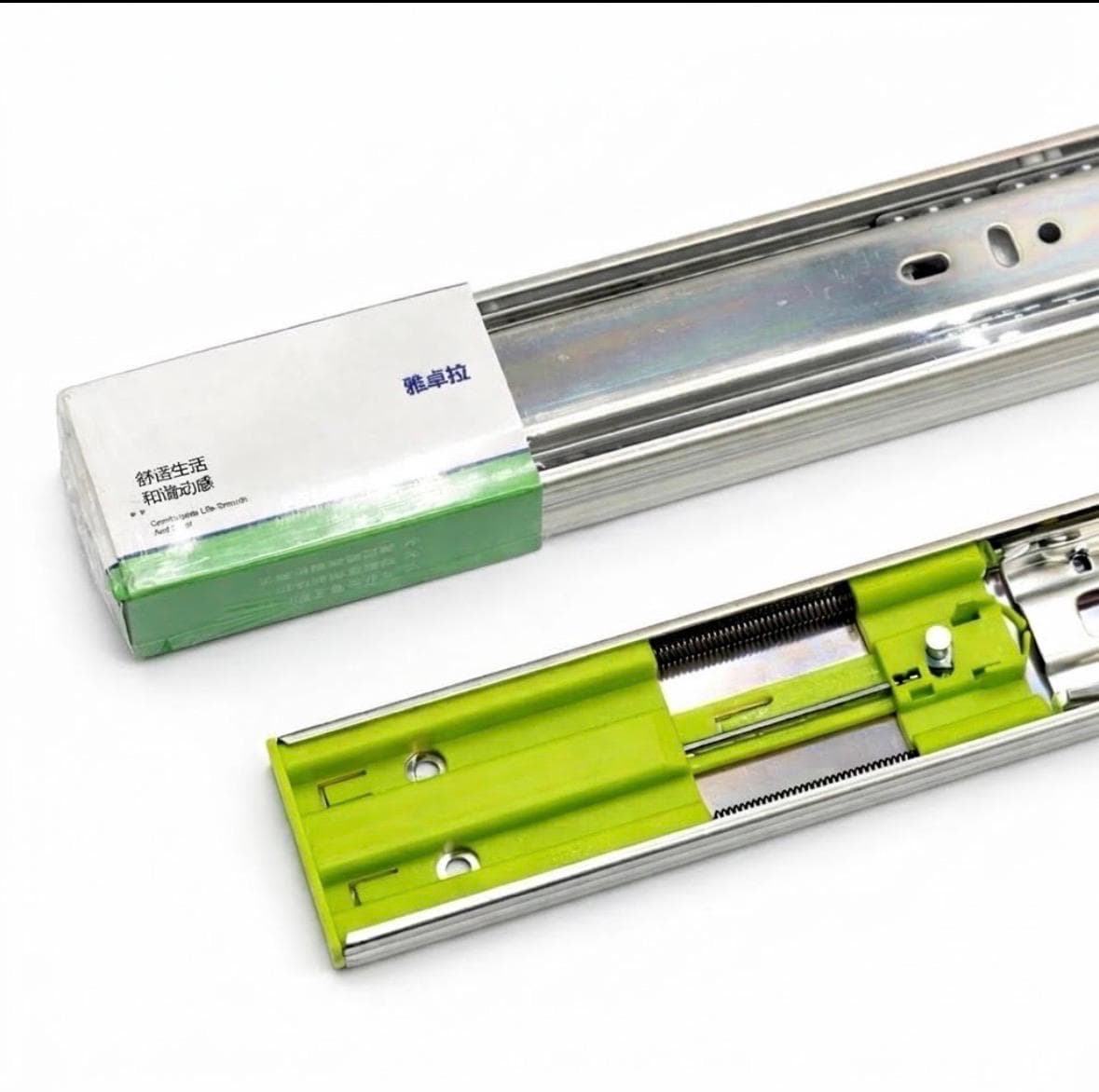
Drawer Slide Types: Ball-Bearing, Soft-Close, Undermount
Drawer slide types come down to four: plain ball-bearing, soft-close, push-to-open and undermount; the choice depends on the drawer's weight, whether it has a handle, and the budget. This article explains how each type works and where it fits, how 35 mm and 45 mm slides differ, and which slides mount on the side of the drawer and which underneath. It ends with the choice for kitchen, wardrobe and office drawers and the lengths held in stock.
Slides & Mechanisms
Cabinet Gas Struts: How Many Newtons Do You Need?
A cabinet gas strut is chosen by its force: the heavier and taller the lift-up door, the more newtons it needs; 60 to 250 N are in stock. This article explains what the newton figure means, gives rough guidance by door, and shows how to check the choice on the cabinet itself. It also covers the slow-closing strut, the reverse strut for drop-down flaps, arm mechanisms, the common fitting mistakes and the safety rule.
Slides & Mechanisms
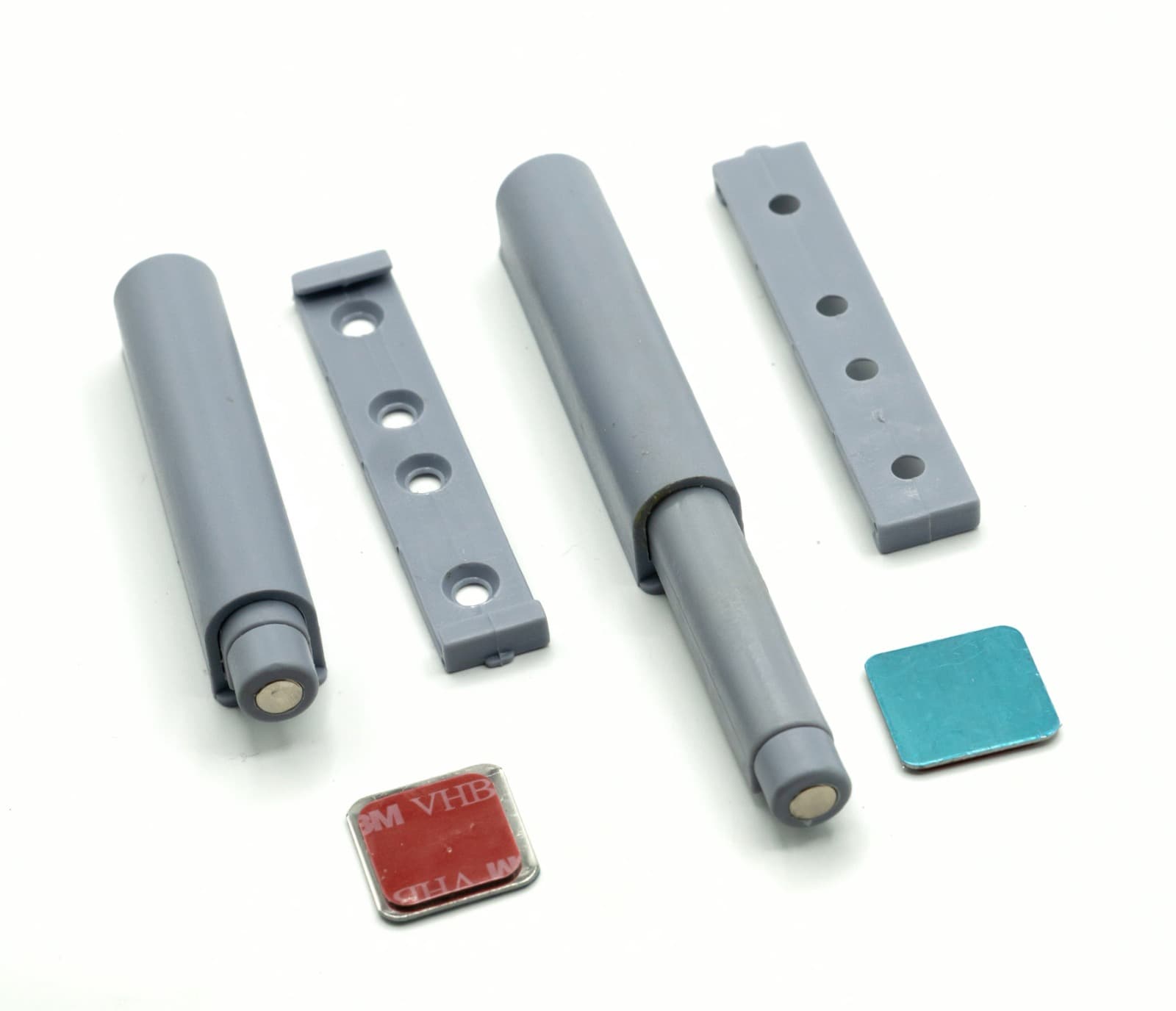
Push-to-Open Latches: Types, Selection, Installation
A push-to-open latch opens a handleless door with a light press; it comes as magnetic, butterfly, concealed, adhesive, and large 2-hole and 4-hole types, and the choice depends on door size and how it is fixed. This article explains how the mechanism works, how the types differ, when the large model is needed, which hinge it works with, and where and with what gap it is fitted. Push-to-open slides for drawers and the common faults, with their causes and fixes, are covered separately.
Hinges
Soft-Close vs Standard Hinges: Which to Choose
A soft-close hinge shuts the door slowly and silently thanks to a built-in hydraulic damper, while a standard hinge snaps it shut with a spring and costs considerably less. Frequently opened kitchen and children's-room doors take soft-close hinges; rarely opened and budget cabinets are fine with standard ones. This article explains how both work, how to work out the difference for one kitchen, what 3D adjustment gives you, and which hinge goes with a push-to-open latch.
Slides & Mechanisms
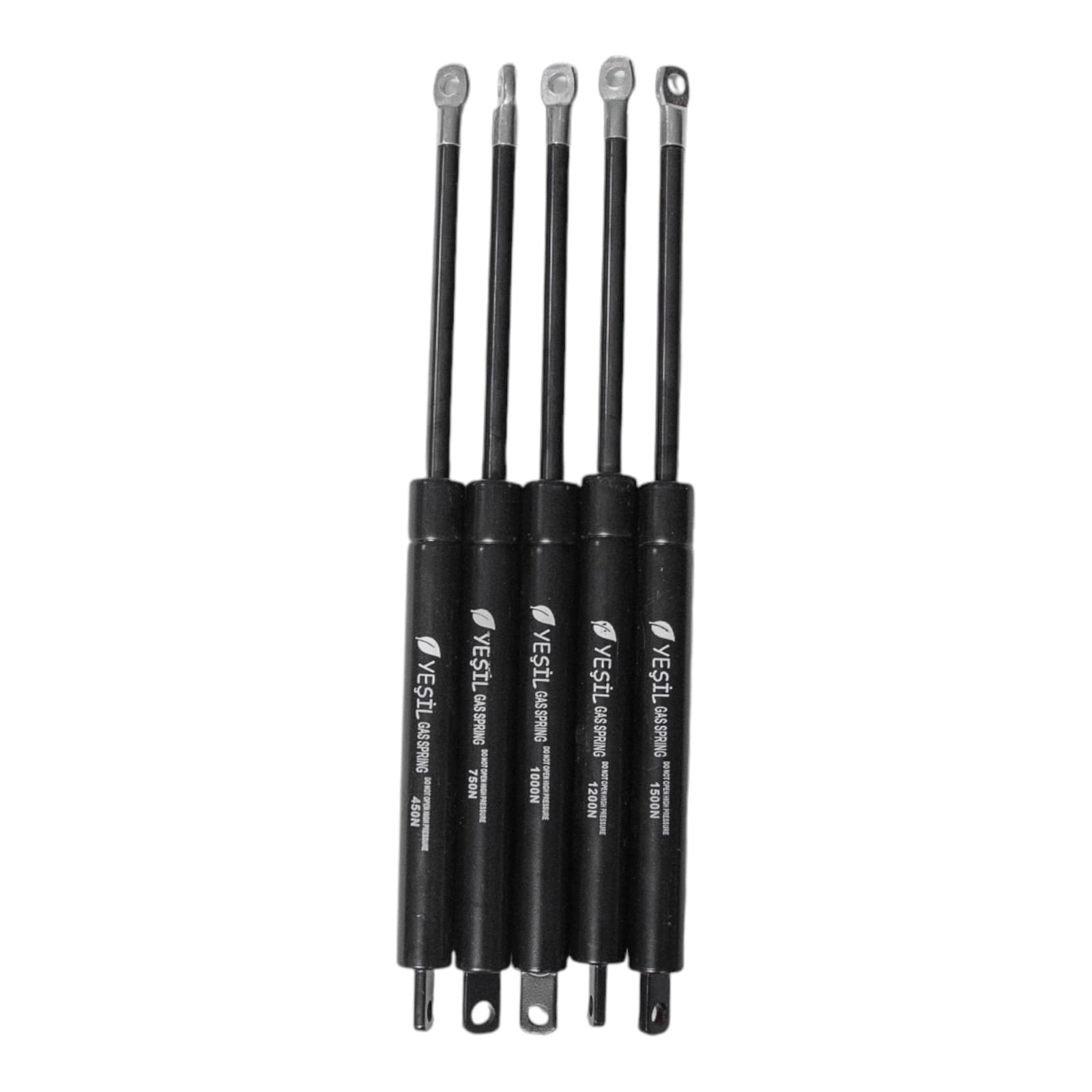
Bed Lift Gas Springs and Mechanisms: How to Choose
A bed lift gas spring is chosen by the weight of the mattress and the lifting frame; we stock forces from 450 to 1500 N. Too weak and the base is heavy to raise, too strong and it will not stay closed. This article explains how a storage bed lifts, what the numbers on the cylinder mean, when and how to replace an old gas spring, and which safety rules to follow before you start.
Slides & Mechanisms
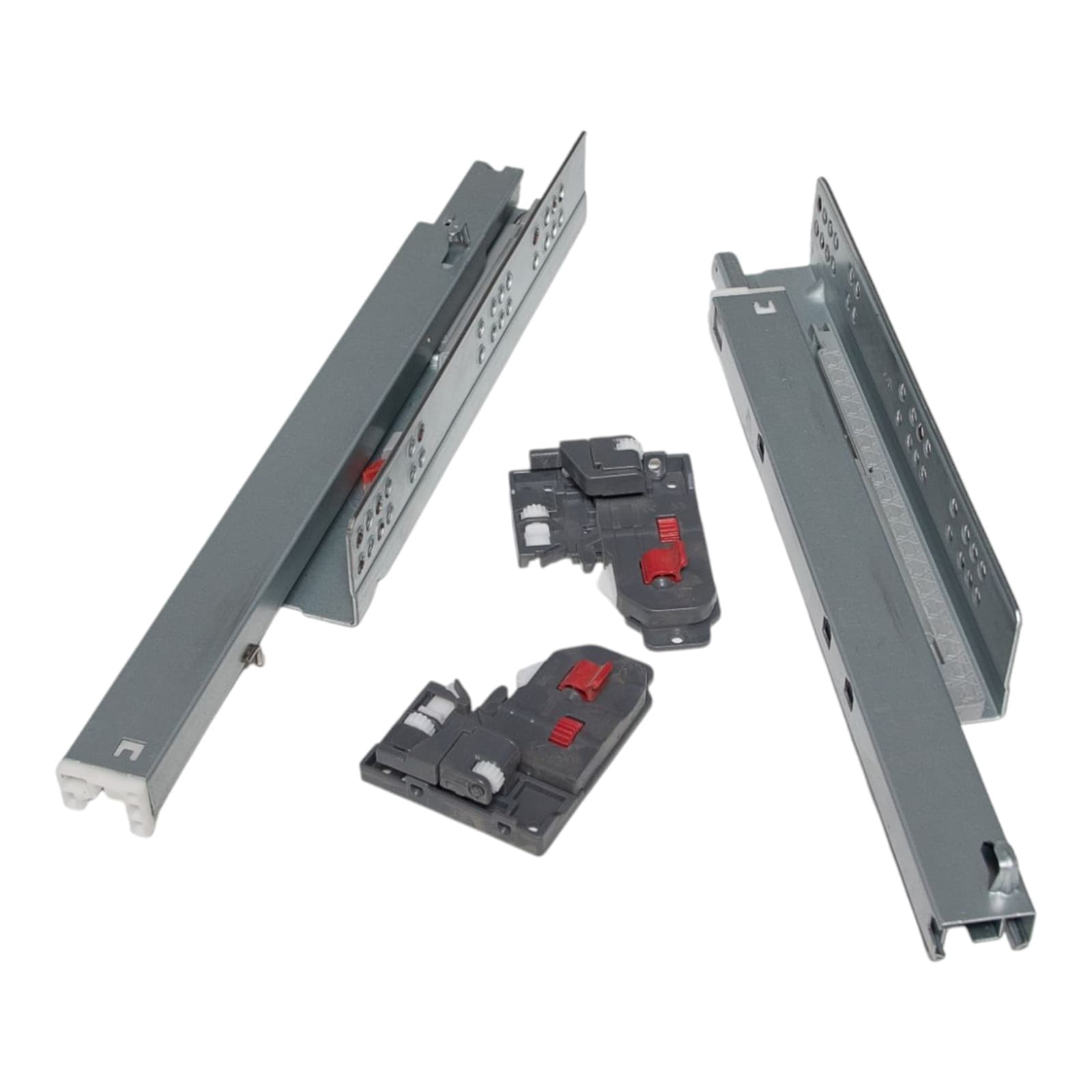
Undermount Drawer Slides vs Ball-Bearing Slides
Undermount drawer slides are fixed beneath the drawer, so no metal shows at the sides when it is open; unlike a ball-bearing slide, they need a drawer box built to suit them. This article compares the two slide types, shows the difference between the soft-close and push-to-open versions, and covers the drawer box requirements, the fitting sequence and length selection, so that you know exactly which slide you are working with before you cut any board.
Slides & Mechanisms
Drawer Slide Length: How to Choose and Size the Drawer
Drawer slide length is chosen like this: measure the inside depth of the cabinet and take the longest standard slide that is at least 10 mm shorter. With side-mounted slides the drawer box is as long as the slide and narrower than the opening by two slide thicknesses. Below, in order: how to take the measurement, which length suits which depth, how to work out the box width, and which lengths we stock.
Fasteners & Materials
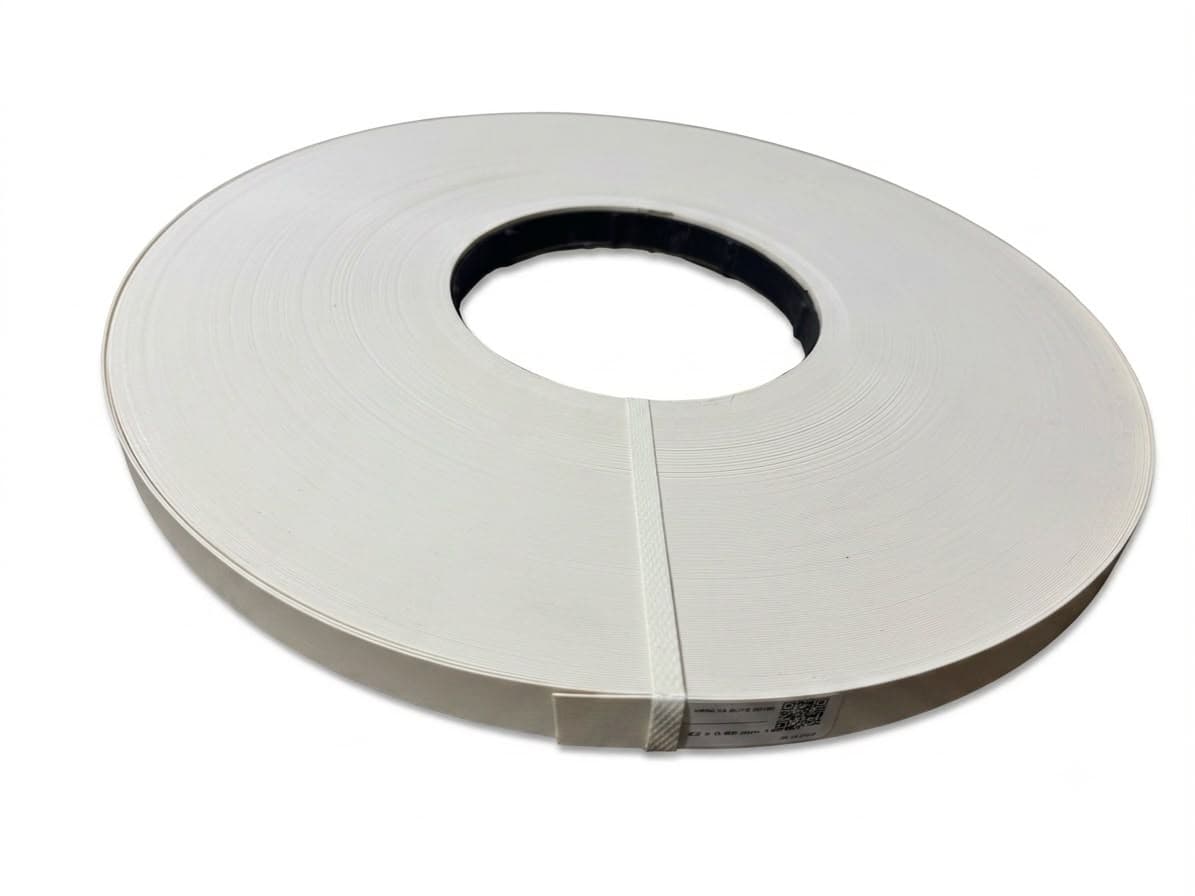
PVC Edge Banding: 0.4 mm vs 0.8 mm
0.4 mm PVC edge banding is for edges that are neither seen nor knocked; 0.8 mm is for visible, frequently touched edges such as fronts. Below we explain where each thickness is used, which board the 22 mm width suits, how to choose the colour and how to work out how many metres of banding an order needs, with brief notes at the end on applying the band and trimming the edge.
Kitchen & Wardrobe
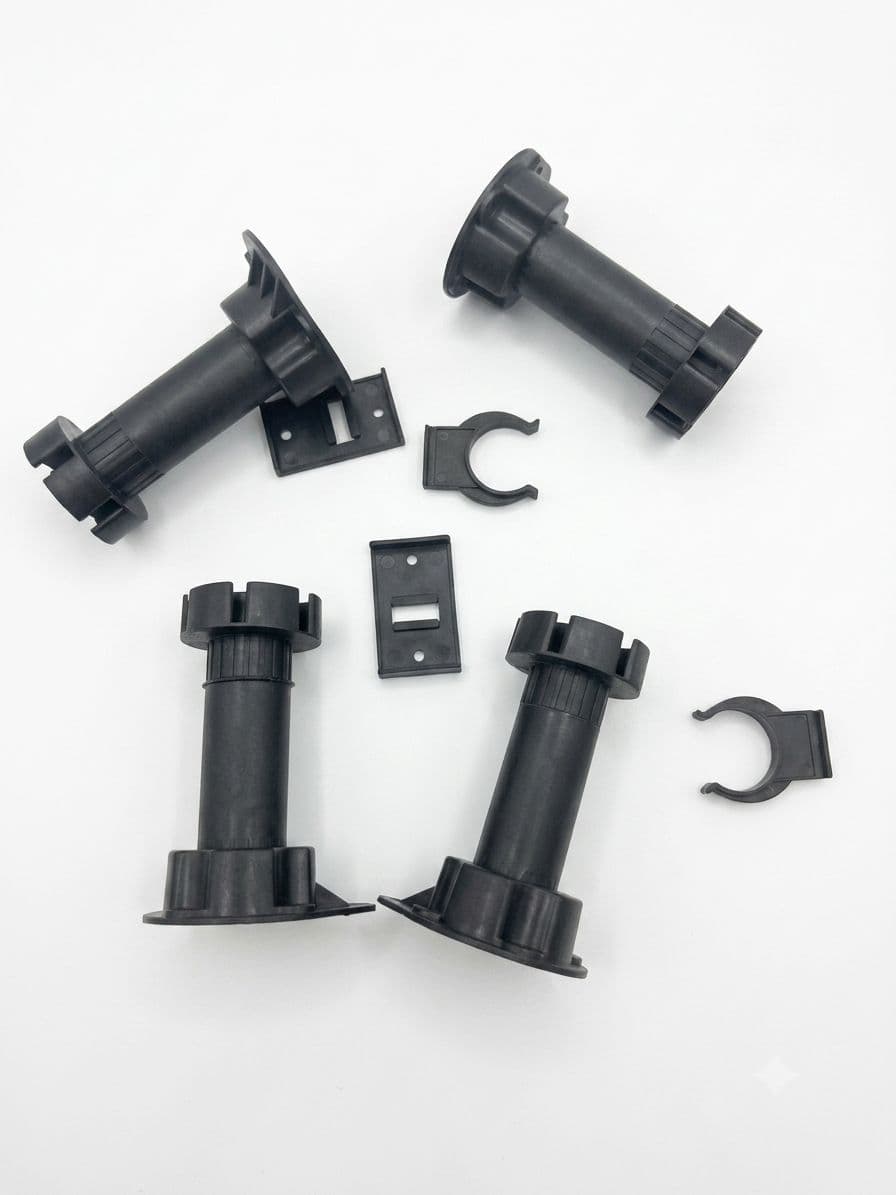
Kitchen Cabinet Hardware Checklist: What and How Many
Kitchen cabinet hardware means hinges, drawer slides, gas struts, legs, handles, a dish rack, a sink and fixings; the quantity of each is found by going through the cabinets one by one. This article shows how to draw up the list and what falls to each door, drawer and cabinet, and ends with a worked example for a 3-metre straight kitchen of five base and five wall units.
Hinges
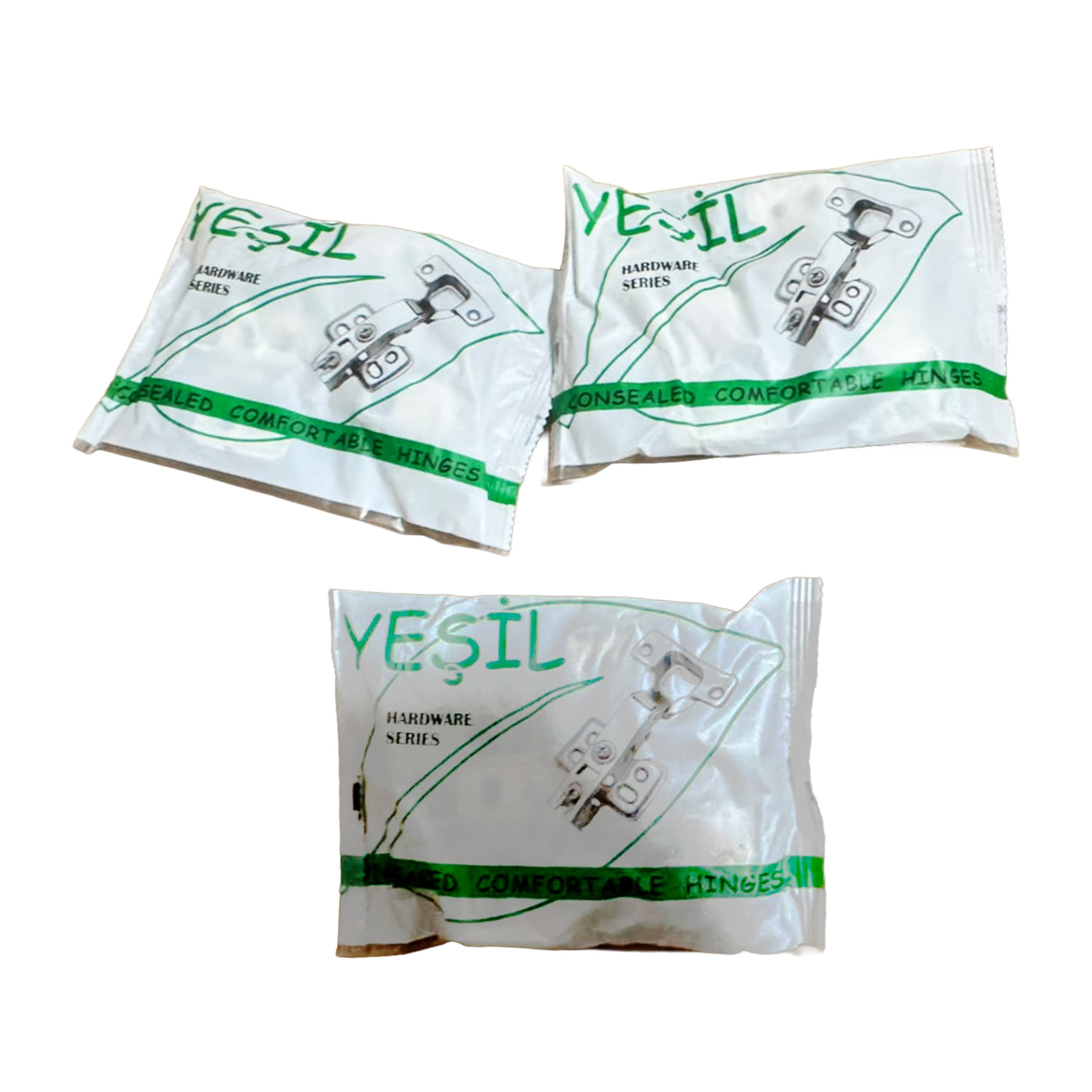
How to Install and Adjust Cabinet Hinges
How to install cabinet hinges in four jobs: mark the door, drill a 35 mm cup hole, fix the plate to the carcass and adjust with the screws. This article goes through them in order: how many millimetres from the door edge the cup centre goes, how deep the hole is drilled, where the plate sits on the side panel, and which screw moves the door left-right, in-out and up-down. The dimensions are for 16–18 mm laminated chipboard and MDF doors, and each step ends with a way to check the result.